Top Questions to Ask Before Starting Gum Disease Treatment
Gum disease rarely announces itself with drama. More often, it arrives quietly, with gums that bleed a little when you floss, persistent bad breath that does not make sense, or a comment from your hygienist that pockets around certain teeth are getting deeper. By the time many patients hear the phrase "you need gum disease treatment," they are already anxious, embarrassed, or both.
That reaction is understandable. Treatment can sound invasive, expensive, and open-ended. Patients often worry they have done something wrong, or that they are about to lose teeth. In practice, the picture is usually more nuanced. Gum disease covers a wide spectrum, from mild inflammation that responds well to improved home care and professional cleaning, to more advanced periodontitis that may require deep cleaning, localized medication, surgery, or long-term maintenance visits.
The quality of the conversation before treatment starts matters almost as much as the treatment itself. A well-informed patient tends to follow through, recover better, and avoid the cycle of partial treatment followed by relapse. The right questions also help you distinguish between routine, appropriate care and a plan that has not been fully explained.
Start with the diagnosis, not the procedure
One of the most important questions to ask is simple: What exactly is my diagnosis?
Many people are told they "have gum disease" without much detail. That phrase alone is not enough. You want to know whether you have gingivitis or periodontitis, how severe it is, and whether it is generalized or limited to certain teeth. Those distinctions shape everything that comes next.
Gingivitis means inflammation of the gums without the loss of bone or attachment around teeth. It is common and usually reversible. Periodontitis means the disease has progressed deeper, affecting the structures that support the teeth. Once bone loss occurs, the goal is control and stabilization rather than a complete reset to where things once were.
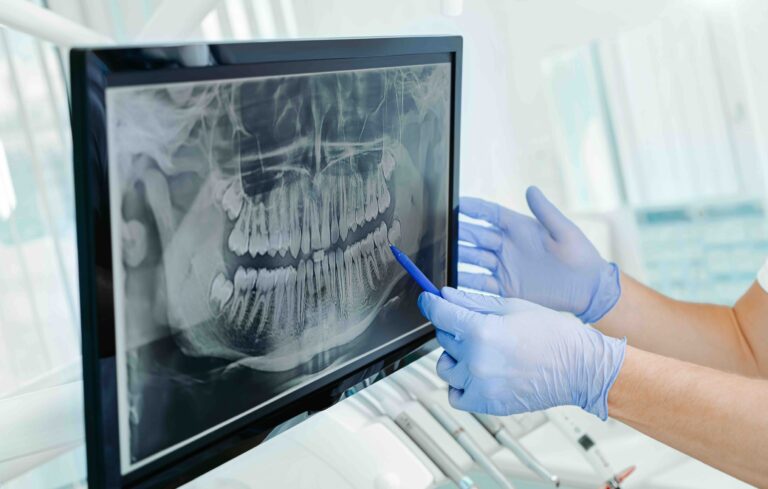
Ask your dentist or periodontist to walk you through the findings in plain language. Pocket measurements matter. Bleeding points matter. X-rays matter. Mobility matters. So does the pattern. Disease around one old crown with a margin issue is a different problem from generalized periodontitis linked to years of plaque buildup, smoking, dry mouth, or diabetes.
If a patient sits in my chair and says, "I was told I need a deep cleaning, but I do not know why," that is a sign the explanation did not go far enough. A good clinician should be able to point to the areas of concern, tooth by tooth if needed, and explain what they see.
How advanced is it, and what happens if I wait?
This is not a fear-based question. It is a practical one.
Some cases need prompt attention because active infection is causing progressive damage. Other cases can tolerate a short delay while you arrange finances, get a second opinion, or coordinate care around work or travel. The key is understanding the risk of waiting.
Ask whether the condition is mild, moderate, or severe, and ask what changes are already visible. Has there been measurable bone loss? Are any teeth at risk of loosening? Is there gum recession? Are there deep pockets that are difficult or impossible to clean at home? Has the disease been stable for years, or is there evidence it is currently active?
Clinicians sometimes see patients who delayed care for six months because they assumed "bleeding gums" were a nuisance rather than a warning sign. During that time, a manageable case can become much harder to control. On the other hand, there are also patients who feel pressured to schedule extensive treatment immediately when a short pause for clarification would not change the outcome. The right approach depends on the specifics.
What is causing my gum disease in my case?
This question often leads to the most useful conversation in the room.
Plaque and tartar are the direct triggers, but they are not always the full story. Gum disease often has contributing factors that affect both treatment choice and long-term success. Smoking is one of the biggest. Diabetes, especially if poorly controlled, can make gum inflammation more severe and healing less predictable. Mouth breathing, certain medications, teeth grinding, crowded teeth, faulty dental work, dry mouth, and inconsistent home care can all play a role.
You are not looking for blame. You are looking for leverage. If you understand what is driving the problem, you have a better chance of preventing it from coming back.
I have seen two patients with similar pocket depths respond very differently to the same initial Gum Disease Treatment. One was otherwise healthy, never smoked, and improved quickly after scaling and root planing plus better home care. The other had heavy smoking history and uncontrolled blood sugar, and needed more frequent maintenance and additional therapy to keep inflammation down. Same diagnosis category, very different context.
What treatment are you recommending, and why this one?
The term Gum Disease Treatment can cover several very different services. It is reasonable to ask exactly what is being proposed and why it fits your condition.
Sometimes the recommendation is nonsurgical periodontal therapy, often called scaling and root planing. This is deeper cleaning below the gumline to remove calculus and bacterial buildup from root surfaces. Sometimes it involves localized antibiotics or antimicrobial rinses. In more advanced cases, periodontal surgery may be recommended to access deep areas, reduce pockets, regenerate lost support in selected defects, or correct tissue contours that trap bacteria. Some patients also need extraction of teeth that cannot be predictably saved.
What you want to hear is a rationale, not just a label. Why not a standard cleaning? Why not wait and monitor? Why not go directly to surgery? If surgery is advised, what problem is it solving that nonsurgical care cannot?
A dentist who explains this well usually sounds specific. They might say that several teeth have pockets in the 5 to 7 millimeter range with bleeding and tartar below the gumline, which a routine prophylaxis will not address. Or they may explain that after deep cleaning, certain sites still remain too deep and inflamed, making surgical access the most predictable next step. That kind of detail helps patients make decisions with confidence.
Is this a one-time treatment, or the start of ongoing periodontal care?
A lot of frustration comes from misunderstanding this point.
Patients sometimes assume that once they complete treatment, the issue is fixed for good. Gum disease does not work that way. Even after successful therapy, many people need periodontal maintenance at intervals shorter than the standard six-month cleaning schedule. Three or four months is common, although not universal. The interval depends on your risk profile and how well the disease responds.
This is worth asking before you begin because it affects both budgeting and expectations. If you are told you need a deep cleaning but nobody mentions follow-up reevaluation or periodontal maintenance, you are missing a major piece of the picture. Initial therapy without maintenance often fails quietly. Things look better for a while, then bleeding returns, pockets deepen again, and the patient assumes the original treatment "did not work," when in fact the ongoing phase was never properly addressed.
What are the alternatives, and what are the trade-offs?
There is a difference between having options and having equal options. In dentistry, several paths may exist, but they do not all carry the same prognosis.
Ask whether there are alternatives to the recommended plan and what you gain or give up with each one. In some mild cases, improved home care and close monitoring may be a reasonable first step. In moderate cases, delaying scaling and root planing may simply allow more damage. In certain advanced cases, trying to save every tooth at all costs may be technically possible but financially and biologically unwise compared with extracting a hopeless tooth and focusing resources on the rest of the mouth.
This is where experience matters. Good clinicians talk about prognosis honestly. "Can this tooth be saved?" Is not the same question as "Is saving this tooth the best long-term decision?" A cracked molar with deep periodontal involvement may survive for a while after treatment, but survival is not always the best metric if the tooth remains difficult to clean, uncomfortable, or prone to recurring infection.
What will the procedure feel like, and how will pain be managed?
Patients deserve practical details, not vague reassurance.
Ask how the area will be numbed, how long the visit will take, and what to expect afterward. Scaling and root planing is usually performed under local anesthesia, often by quadrant or half of the mouth. Some patients feel little more than post-cleaning soreness for a day or two. Others, especially those with significant inflammation, can feel tenderness, sensitivity to cold, or mild aching for several days.
If surgery is involved, ask about stitches, swelling, eating restrictions, and time away from normal activities. Also ask whether you can drive yourself home, whether sedation is used, and whether you need someone with you.
A straightforward explanation often lowers anxiety more than any promise that it will be "easy." People cope better when they know what is normal. For example, mild gum shrinkage after deep cleaning can surprise patients, even though it is often a sign that inflamed tissue has tightened as it heals. If nobody mentions that possibility in advance, patients may think something has gone wrong.
How will success be measured?
This question sharpens the whole treatment process.
Successful Gum Disease Treatment is not judged by whether your teeth feel cleaner that week. It is measured over time through reduced bleeding, shallower pockets, improved gum tone, better plaque control, and stability on follow-up X-rays when appropriate. Some recession or sensitivity may occur even when treatment is going well. That is why objective re-evaluation matters.
Ask when you will be rechecked and what changes your clinician expects to see. Reevaluation often happens within several weeks to a few months after initial therapy, depending on the case. If pocket depths remain deep or bleeding persists in certain sites, the next step may be more localized treatment, referral to a periodontist, or discussion of surgical options.
Without a defined follow-up point, it is hard to know whether the plan worked.
What can I do at home to improve the outcome?
This is the part patients control most directly, and it has a bigger impact than many expect.
Professional treatment removes what you cannot safely remove at home, especially beneath the gumline. But long-term stability depends on what happens every day afterward. Ask your clinician to show you the brushing and interdental cleaning method that fits your mouth. Not everyone should use the same tools. Some people do best with floss. Others get better results with interdental brushes, soft picks, or water flossers, especially around bridges, implants, or wider spaces.
Ask for specifics rather than generic advice. How often should you clean between teeth? Which toothpaste is appropriate if you already have recession and sensitivity? Should you use an antimicrobial rinse, and if so, for how long? If you smoke, ask plainly how much quitting would improve your periodontal outlook. If you have diabetes, ask whether your blood sugar control may be affecting healing.
The patients who do best are usually not the ones with perfect teeth. They are the ones who understand the assignment and follow through consistently.
How much will it cost, and what will insurance actually cover?
This may feel awkward, but it should not. Periodontal care can involve significant costs, and there is no benefit to avoiding the subject.
Ask for a written treatment plan with fees broken down by procedure. Ask whether the estimate includes anesthesia, localized medications, follow-up visits, X-rays, and maintenance appointments. If insurance is involved, ask what portion is estimated to be covered, what annual maximums apply, and whether there are waiting periods or frequency limits. Dental insurance often covers less than patients expect, especially for advanced periodontal therapy.
A common point of confusion is the difference between a regular cleaning and scaling and root planing. Insurance companies also distinguish between them, and patients are sometimes frustrated when they learn that their "cleaning benefit" does not fully cover periodontal therapy. Clarify that before treatment day.
It is also reasonable to ask whether treatment can be staged if cost is a barrier. In some cases, urgent areas can be addressed first while a broader plan is arranged. That is not ideal for every patient, but open conversation is better than silent delay.
Should I see a periodontist, or can my general dentist manage this?
Both general dentists and periodontists treat gum disease. The right setting depends on complexity, not prestige.
Ask whether your case is straightforward or whether referral would add value. Many general dentists manage mild to moderate periodontal disease well, especially when they have strong hygiene teams and clear follow-up systems. A periodontist may be especially useful if you have advanced bone loss, persistent deep pockets, gum recession requiring grafting, loose teeth, failed prior treatment, or medical factors that complicate healing.
This does not need to be framed as a challenge to your dentist. It is a normal clinical question. Good dentists refer when it serves the patient, and good specialists communicate findings back to the referring office when care is shared.
Are there any red flags that should make me pause and ask for more explanation?
Most dental offices are acting appropriately, but patients should still pay attention to how recommendations are communicated. If you feel rushed, confused, or pressured, stop and ask for clarity.
Here are a few situations that justify a slower conversation:
- You were told you need extensive Gum Disease Treatment, but no one reviewed pocket measurements, X-rays, or specific findings.
- The office cannot explain why a regular cleaning is not appropriate.
- You are being pushed to commit immediately with little discussion of maintenance, follow-up, or alternatives.
- The proposed cost is substantial, but the treatment sequence and goals remain vague.
- You want a second opinion and feel discouraged from getting one.
A second opinion is especially reasonable when surgery is proposed, several teeth have uncertain prognosis, or the diagnosis was delivered suddenly after years of routine care without prior warning. Sometimes the second opinion confirms the original plan. Sometimes it refines it. Either outcome can be valuable.
A short checklist to bring to your appointment
Patients often remember only half their questions once they are in the chair. Bringing a note on your phone helps.
- What is my exact diagnosis, and which teeth or areas are affected?
- Why is this treatment necessary now, and what happens if I wait?
- What should I expect during recovery and at follow-up?
- What ongoing maintenance will I need after this phase is done?
- What will this cost out of pocket?
That small list can turn a confusing appointment into a productive one.
The emotional side of periodontal treatment deserves a place in the conversation
Many adults carry surprising shame about gum disease. https://tituszxud660.publishlane.com/posts/how-to-prevent-recurrence-after-gum-disease-treatment They assume it means they were careless, dirty, or neglectful. Real life is not that tidy. Some people are meticulous brushers and still develop periodontal problems because of genetics, medication effects, crowding, dry mouth, tobacco use, stress, or systemic disease. Others had years of inconsistent dental care during stretches of caregiving, job loss, illness, or simple overwhelm.
That does not mean personal habits do not matter. They do. But shame tends to shut people down at exactly the moment they need clear thinking. If you feel embarrassed, say so. A professional team should respond with facts, not judgment.
The most successful patients are rarely the ones with the cleanest dental history. They are the ones who engage, ask questions, return for maintenance, and make steady improvements. Gum disease often becomes manageable long before it becomes perfect.
What a good treatment conversation sounds like
A strong consultation usually leaves you with a clear sense of three things: where you stand now, what the next step is, and what your role will be afterward. You should understand whether the issue is limited inflammation or established periodontitis. You should know why the recommended treatment fits your case. You should also know that the work does not stop when the procedure ends.
If anything still feels foggy, keep asking. Dentistry uses familiar words for technical realities, and those realities matter. A "deep cleaning" can be routine and appropriate, but it should never be a mystery. The same is true of surgery, localized antibiotics, maintenance intervals, or the prognosis of a questionable tooth.
The best time to ask questions is before treatment starts, when your options are widest and your decisions can be made calmly. Once you understand the diagnosis, the goals, the trade-offs, and the follow-up, Gum Disease Treatment becomes far less intimidating. It becomes what good care usually is: a practical plan to control disease, protect teeth, and give your mouth a more stable future.
Dental Group Of Beverly Hills
Address: 8641 Wilshire Blvd #125, Beverly Hills, CA 90211
Phone number: +13109296335
FAQ About Gum Disease Treatment
How to improve gum health quickly?
To improve gum health quickly, eliminate plaque buildup by brushing for two full minutes twice a day at a 45-degree angle to the gumline. Floss daily to clean under the gumline, and rinse with an antimicrobial, alcohol-free mouthwash. For immediate relief of soreness, use a warm saltwater rinse.
What is the fastest way to cure gum disease?
To quickly cure early-stage gum disease (gingivitis), eliminate the plaque buildup causing the inflammation. Brush gently but thoroughly for two minutes twice daily, floss daily, and use an antibacterial mouthwash or a warm saltwater rinse. However, if tartar has hardened, professional treatment is necessary.
How do I treat my gum disease at home?
You can treat early gum disease at home by practicing strict daily oral hygiene, rinsing with salt water or antibacterial mouthwash, and quitting smoking. True gum disease (especially advanced forms like periodontitis) cannot be fully cured at home once tartar forms, and you must see a dentist for professional cleanings.